It’s always exciting to try new cheeses, and a thrill to discover that they’re delicious. Let us introduce you to Lindley and Eggleston: these soft, raw milk cheeses are made by hand in small batches at Primrose Creamery. We were lucky to taste them early on and are happy to report that they now sit proudly within our range of cheeses.
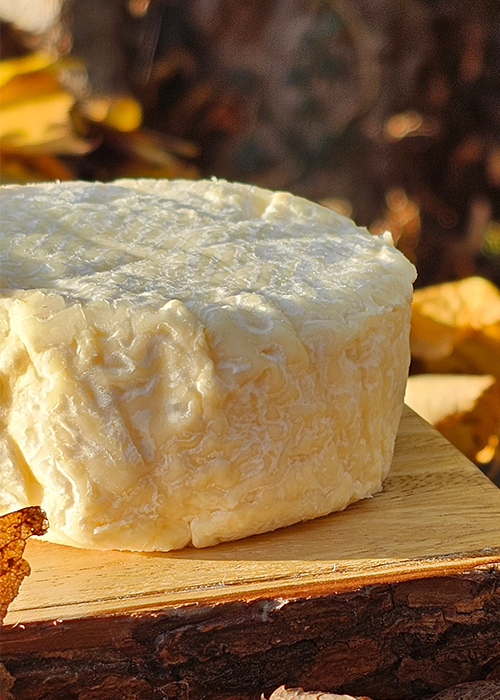
Lindley
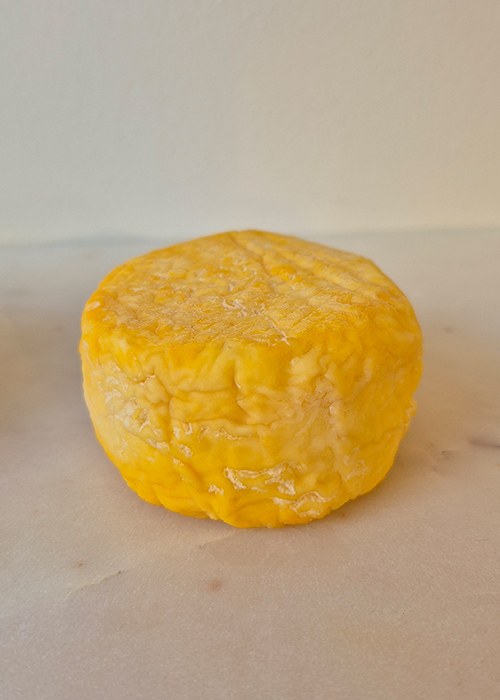
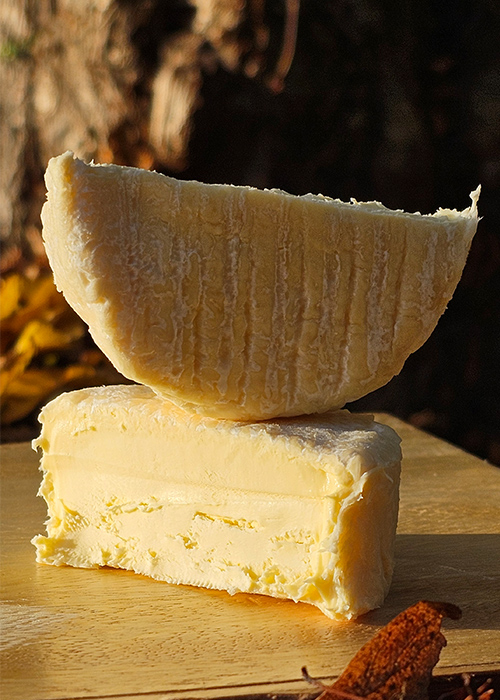
Lindley is enriched with Jersey cream, and is soft and mousse-like when young, with notes of crème fraîche and cold butter. It becomes richer and more savoury with age, developing clotted cream, baked apple and brioche flavours, always with a clean balance. The pale rind displays subtle creases and a gentle powdery bloom. This cheese is named after Elizabeth Lindley, a dairymaid at Welbeck in 1881, honouring traditional craft and the estate’s cheesemaking history.
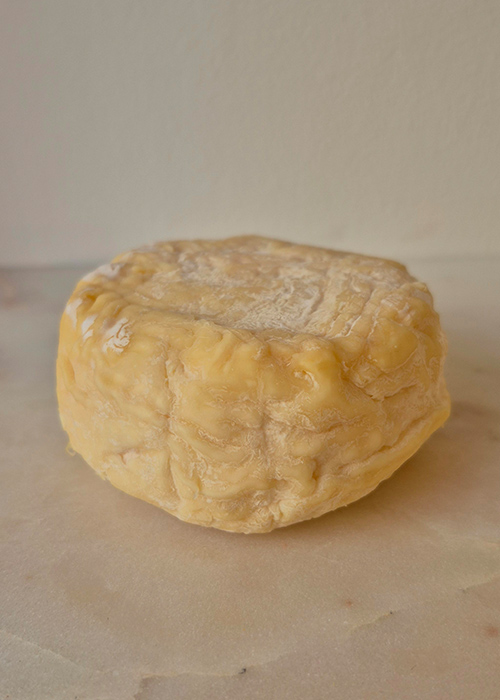
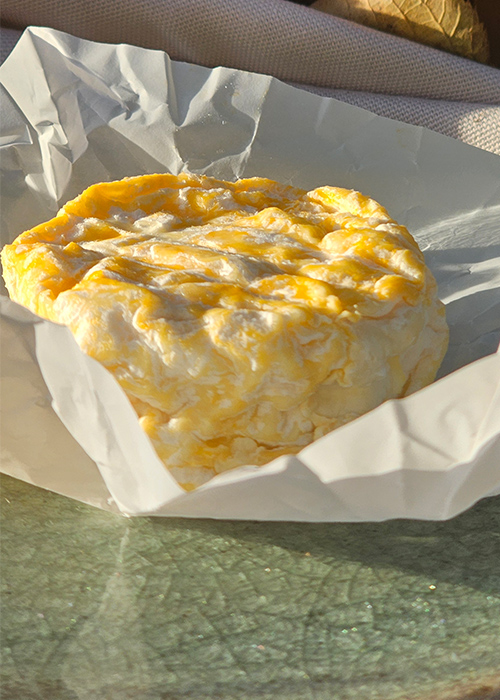
Eggleston
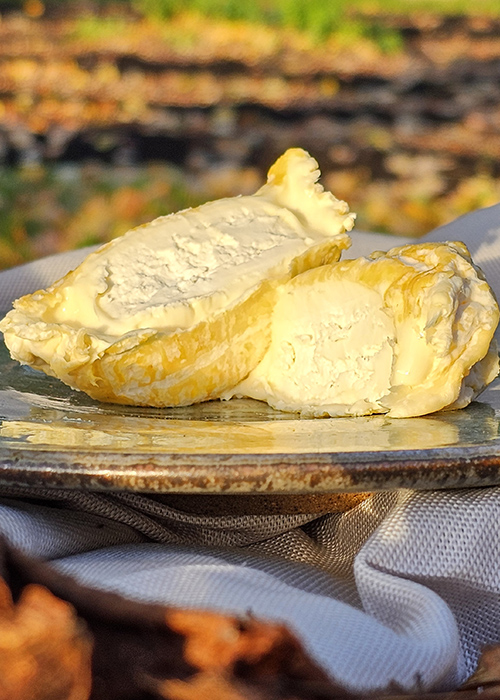
This small, soft cheese is bright and fruity when young, tasting of lemon zest, green apple and cultured cream. With age it becomes richer and earthier, with notes of ripe pear, apple compote, lemon posset and sweet butter. The golden rind shows gentle creasing, and as it matures, the edges begin to soften, revealing a rich, spoonable layer beneath the surface. The cheese takes its name from William Eggleston, a Nottinghamshire farmer who lost his life during the 1766 Cheese Riot, to commemorate and celebrate local heritage and independent cheesemaking spirit.
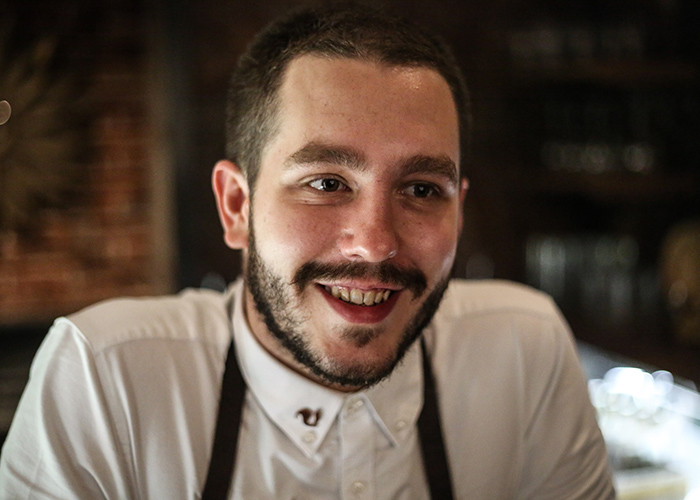
It is particularly gratifying when beautiful artisan cheeses are being made by new producers. Primrose Creamery was founded by cheesemaker Jake Goldstein and is located on the historic Welbeck Estate in North Nottinghamshire. We chatted with Jake about starting the creamery and his passion for cheesemaking. Please read on for more.
What drew you to the world of cheese?
Food and drink have always been at the centre of my life. I spent years running cocktail bars, but when Covid hit and hospitality shut down, I had to rethink everything. I tried butchery for a while and really respected the skill involved, but I found it quite repetitive.
Around that time, I did the Academy of Cheese with my friend Pat McGuigan and completely fell in love with it. The blend of science and art really grabbed me, and I just love cheese more than any other food. Once I’d gone down that rabbit hole, there was no coming back.
Where did you gain cheesemaking experience, and how did this lead to you building your own cheese business?
I started at Monkland Dairy and then went on to work with Neal’s Yard Creamery. I’ve always been drawn to lactic-set, soft and delicate styles. They’re joyful to make, full of nuance and flavour, and they’re a bit kinder on the body than hard cheeses.
One of the best things about learning cheese in the UK is how open the industry is. I was lucky enough to visit lots of dairies, see different approaches, and learn from people who all had strong but often very different opinions. Everyone was incredibly welcoming and generous with their knowledge, which gave me the confidence to eventually take the leap on my own.
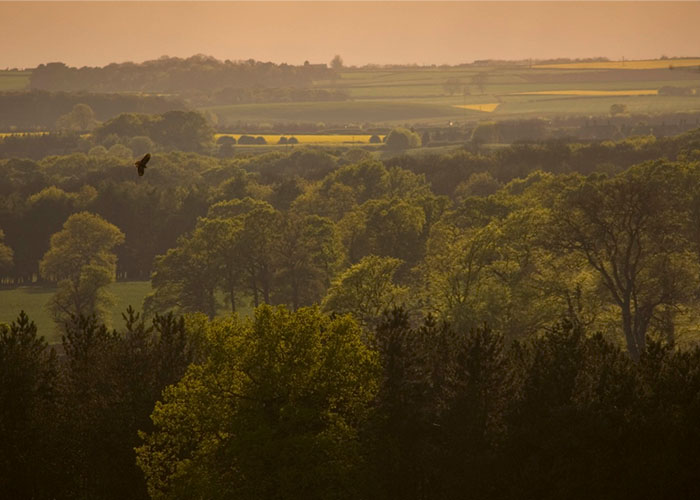
How did you come to the location, the milk source and the styles of cheese for your creamery?
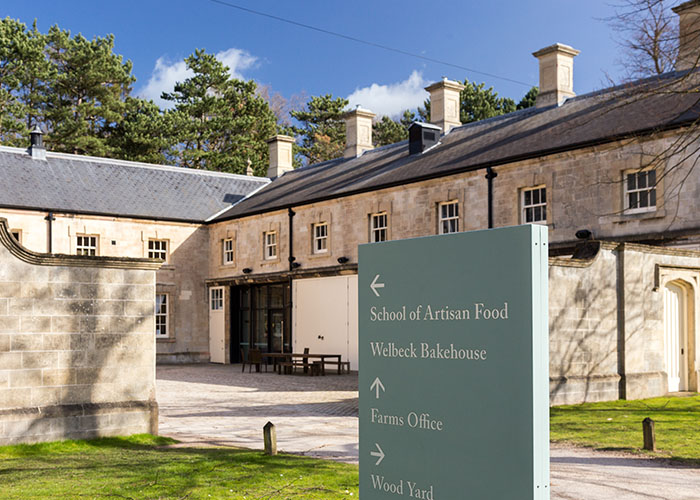
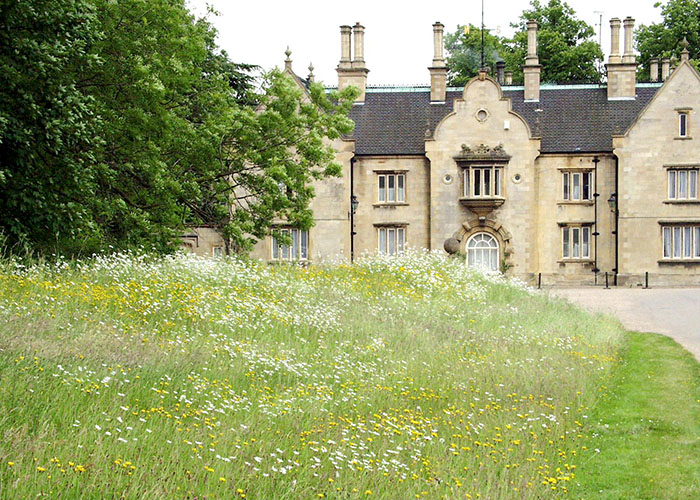
By pure chance. I was moving north, and my partner’s boss happened to be best friends with the Managing Director of the School of Artisan Food. One night, in a pub, he mentioned they had a space they weren’t using and wished they could rent it out. My partner’s boss said, ‘I know a cheesemaker moving to the area,’ and the rest is history.
I absolutely love being based there. Cheesemaking can often be quite solitary, either out in a field or tucked away on an industrial estate. Here, I’m surrounded by bakers, brewers, butchers and growers, all working in a beautiful place with genuinely lovely people.
The milk is another huge piece of luck. Joe Schneider has been making Stichelton with this milk for over twenty years, working closely with farmer Graham Walker to refine it for both quality and safety. I get to swoop in at the last minute and take a bit of the credit, which feels very fortunate indeed.
As for the styles, I’ve always been fascinated by cream-enriched cheeses like Délice and Chaource, and I felt there was a real gap for something similar made properly in the UK. I’ve wanted to make that style since the very beginning. Eggleston leans more on my time at Neal’s Yard, translating techniques often used with goat’s milk into a cow’s milk context. It’s a style that’s widely used in France but still underexplored here. And, if I’m being perfectly honest, it’s also young and fresh and doesn’t require a year of ageing. Cashflow matters when you’re starting out.
What have been the biggest difficulties to overcome in making your cheese?
The milk. Always the milk. What we have is exceptional, but it’s raw, alive, and changes day to day. Coming from a broader food background, you’re taught that consistency is king. With cheese, that idea goes straight out the window.
Learning to let go of control and find the beauty in that variability was frustrating at first, but it has become the most rewarding part of the job. Beyond that, starting a small business means you’re not just a cheesemaker. You’re also a bookkeeper, a marketer, and most importantly, a cleaner. There’s been a lot to learn on all fronts.
What do you feel has been your greatest achievement?
At this point, simply seeing people eat my cheese. It took around two years from the first idea of Primrose Creamery to getting the keys and sending cheese out into the world. That’s a long stretch of uncertainty and hard graft.
Our aim at Primrose has never been to be fancy or out of touch. We just want to create something rooted in good ingredients that people can share, something that helps reconnect them with real food systems. That idea has been borrowed and diluted by supermarkets for years, but post-Covid, I genuinely believe people are finding their way back to it.
What might lie beyond Lindley and Eggleston?
Cultured butter is coming very soon, which I’m incredibly excited about. After that, I’m working on a cheese inspired by Colwick, a Nottinghamshire recipe that was made continuously from 1765 until 1992, the year I was born. We’ve lost so many great British cheeses, and if I can help revive even one of them, I’d be immensely proud.
Beyond that, who knows. I’m having a baby later this year, so it’s probably wise that I pause on launching new products for a little while!