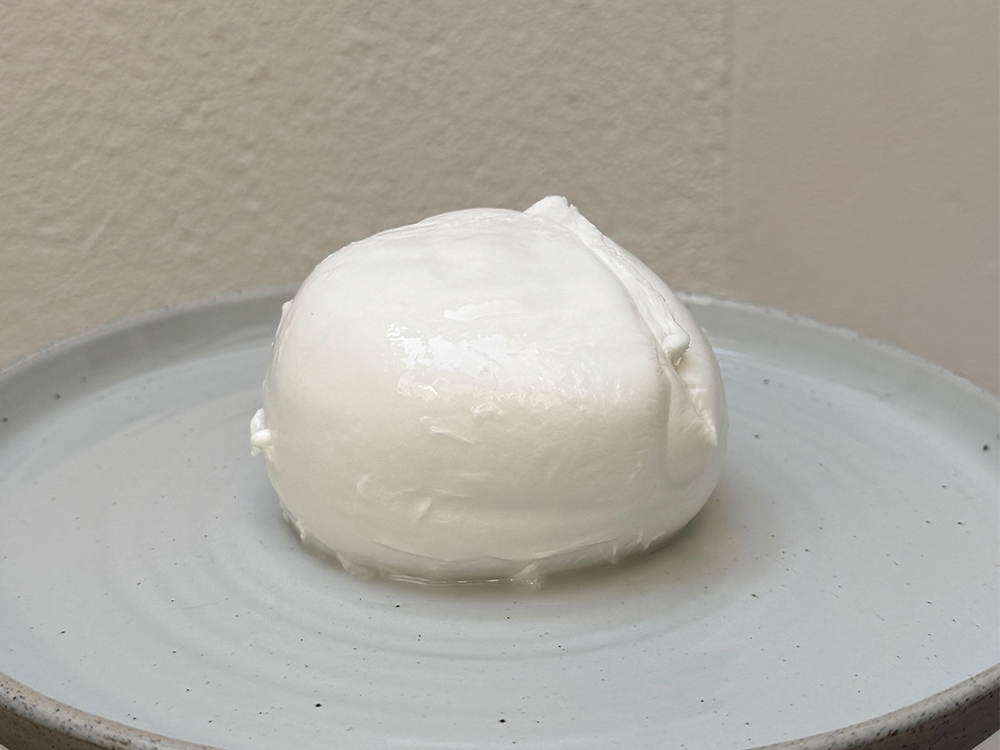
For a long while it seemed that burrata had London’s menus in a chokehold. Burrata was ‘trending’, oozing its highly Instagrammable creamy contents and wooing restaurant-goers with its cool richness. Mozzarella, by comparison, was often viewed as burrata’s poor cousin, not helped by most people’s experience of it being a tough, rubbery, mass-produced ball mostly used for topping a pizza. There was a time we didn’t even have enough demand to stock it. But we’ve noticed a change in the tide: chefs are asking us for a great mozzarella, and burrata’s popularity is waning. Don’t be mistaken, we are all huge fans of a burrata and the one we import from Caseificio Olanda in Puglia is ten-out-of-ten delicious. There is, of course, room for both on a menu, different as they are. But it’s also nice to see demand for a misunderstood underdog.
Luckily we already had our sights on a delicious Mozzarella di Bufala Campana DOP from family-run dairy Caseificio Mail, located near Bellizzi, an hour or so south of Naples. And so off we go on a mozzarella mission.
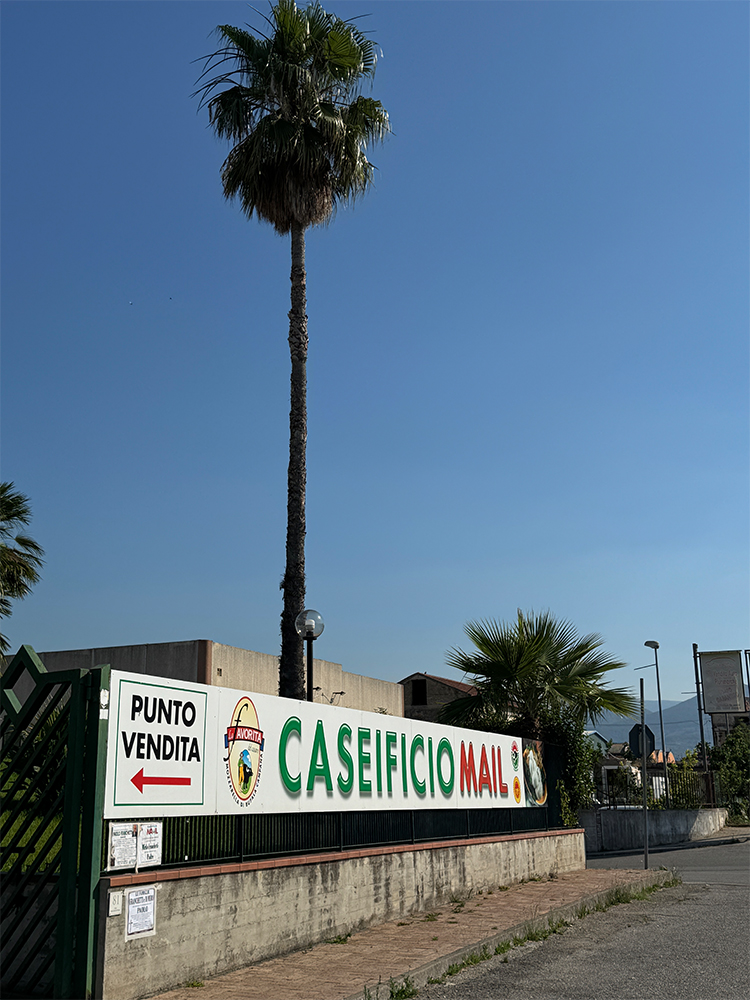
Caseificio Mail
We are shown around by cousins Anna and Carlo. Along with their siblings, Domenico and Ilaria, they represent the fourth generation of the family business.
‘The cheese is made in the herd; the milk is made in the field’, we are told – a catchphrase of their grandfather’s that echoes a philosophy familiar to many of our suppliers, for whom their rigorous work starts not in the dairy but on the farm.
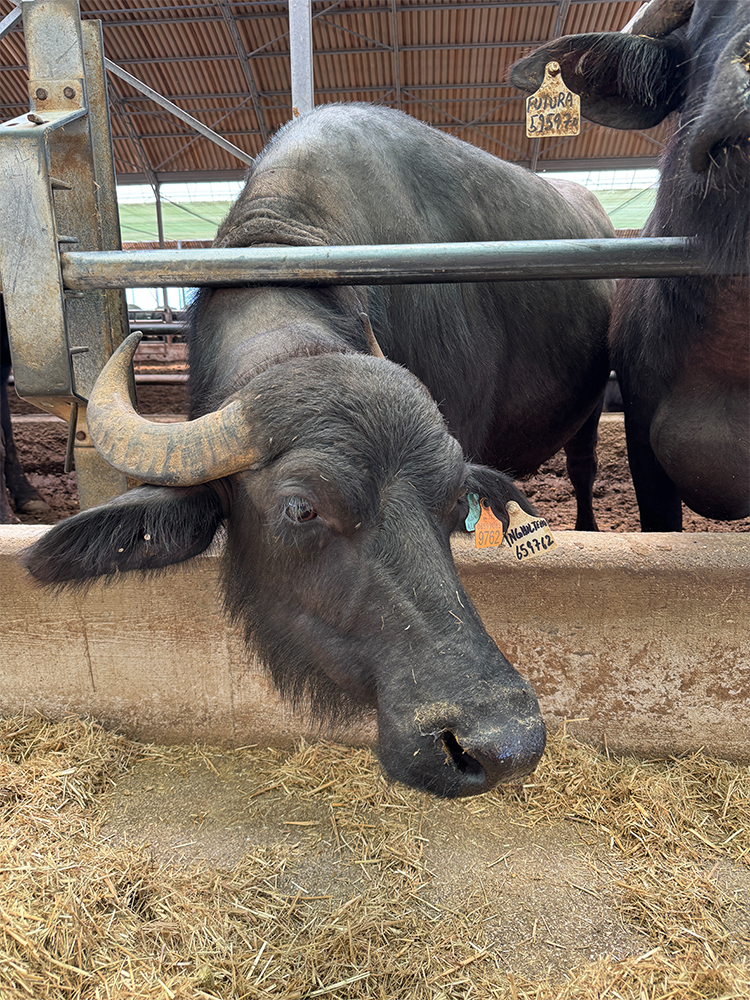
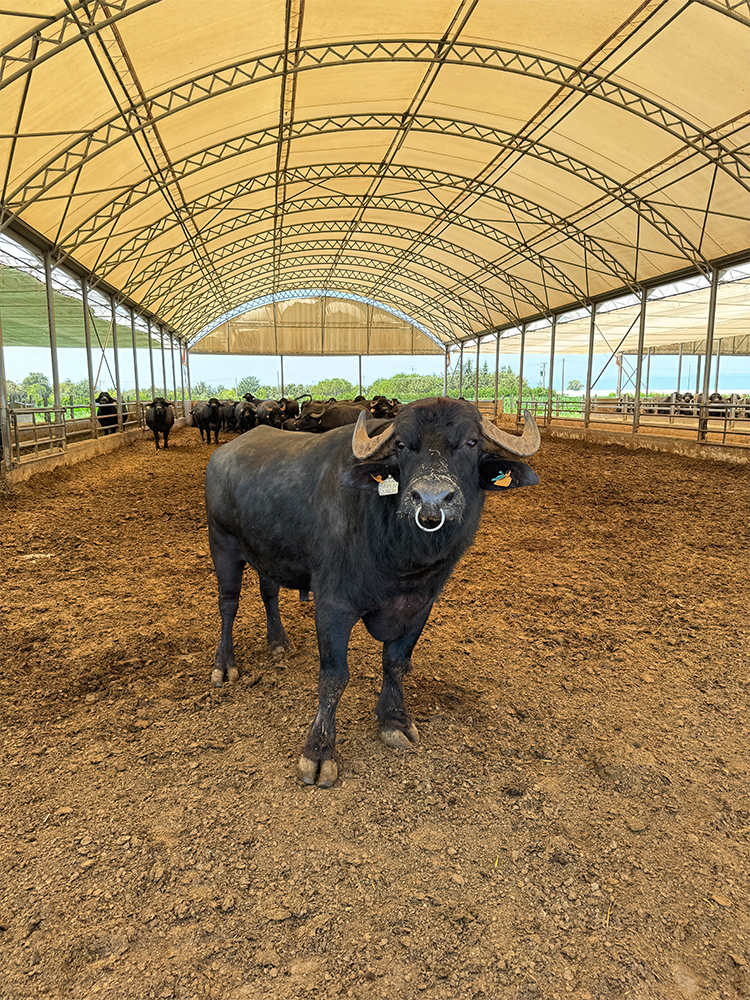
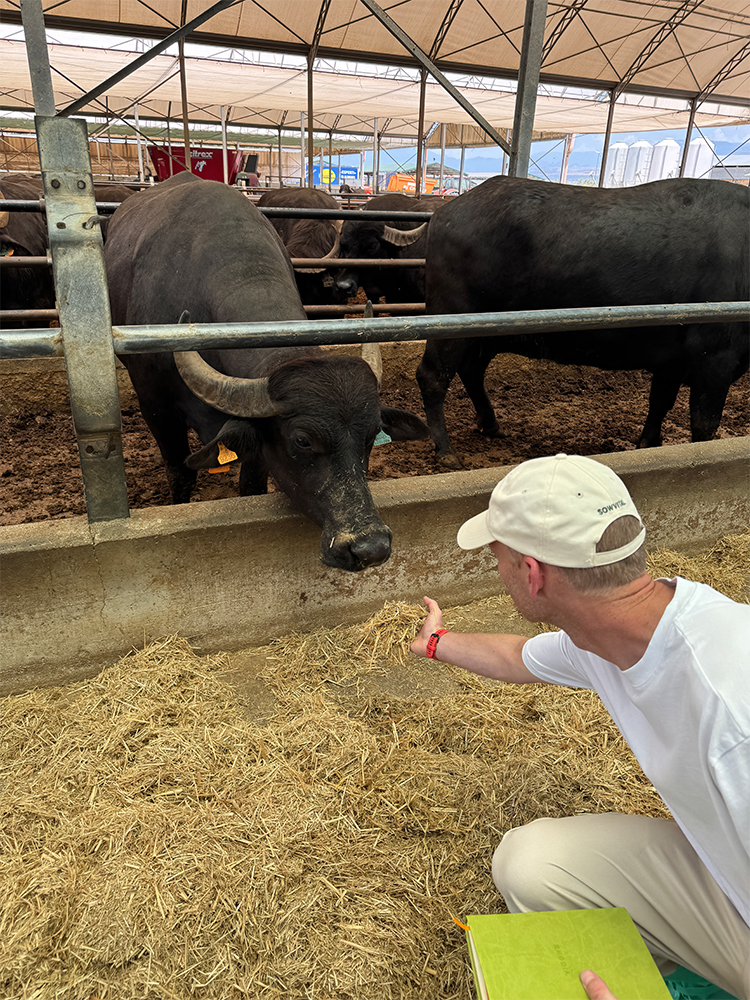
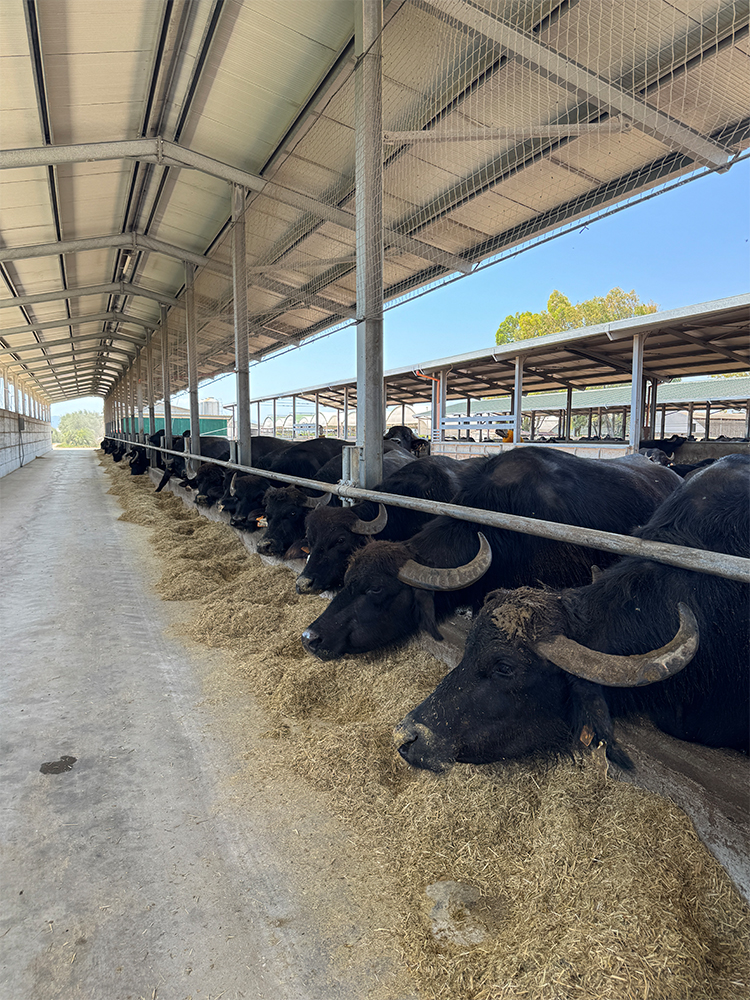
Southern Italy may not be blessed with the lush green fields we have in the UK that are perfect for grazing, but cultivating maize and other crops to feed the animals is easy. The buffaloes reside in covered barns fitted with massage brushes and showers that keep them cool. They come to say hello, curious about their visitors. We’re curious about them too – these friendly beasts produce much less milk than the average dairy cow but that milk is richer in fat and protein.
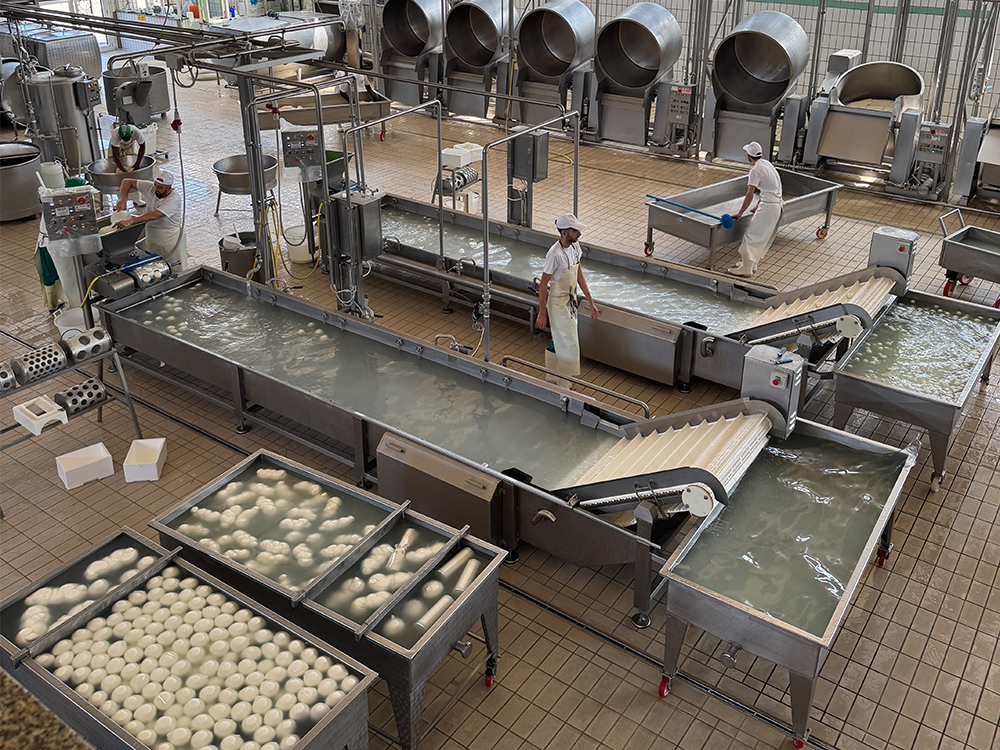
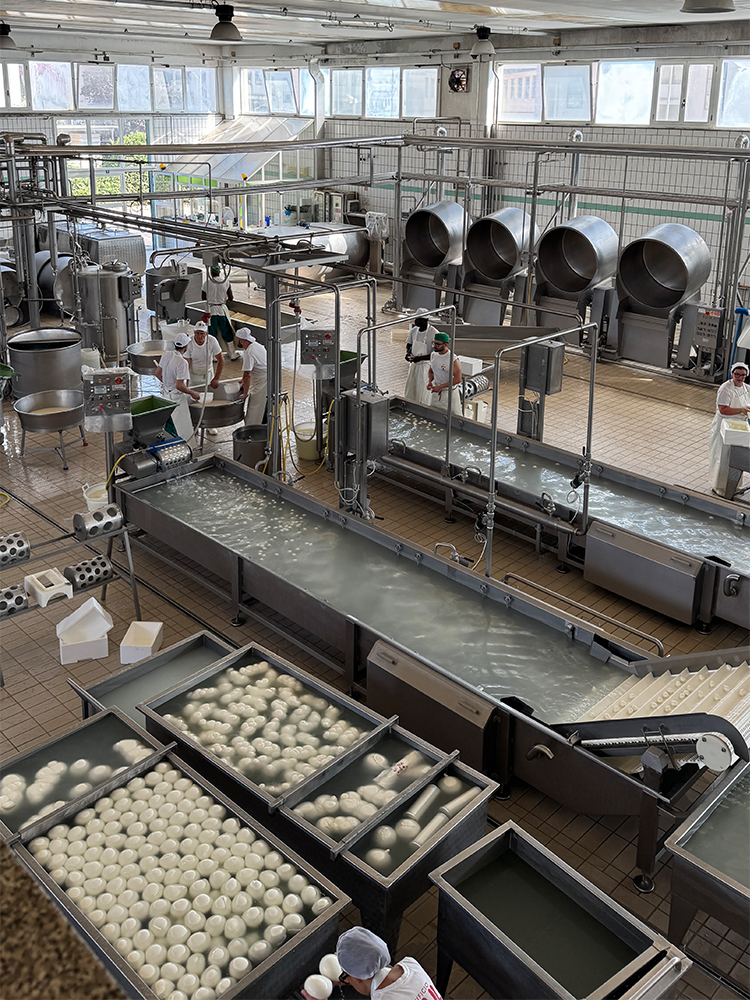
Back at the dairy, we watch the magic of cheesemakers turning milk into shining white globes of mozzarella before our eyes. The milk arrives at 3am from the farm and is pasteurised then left in vats with the addition of starter cultures and buffalo rennet.
A few hours later the liquid whey is drained off solid curds. So far, so familiar to cheesemongers used to seeing this kind of process – but then the unique part begins: filatura. The curds are put through a mill and into a large bowl, where boiling water is added. A cheesemaker stirs the curd chips into the liquid and slowly they start to fuse together to form a springy white mass. This gets swirled around with the addition of more hot water over and over until it is smooth and stretchy.
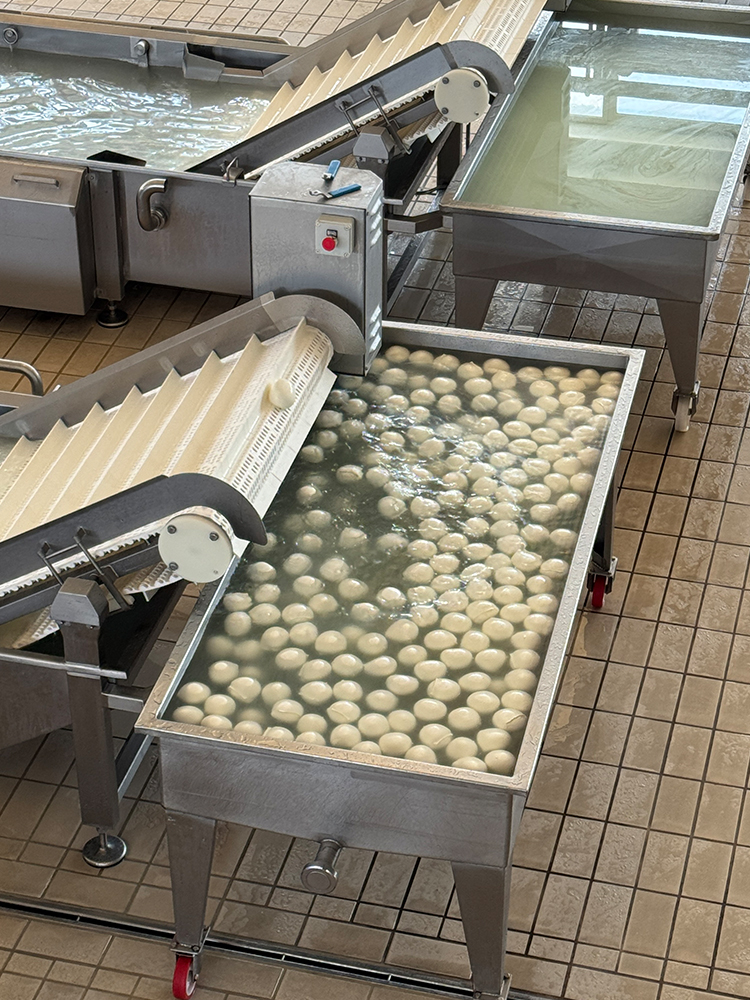
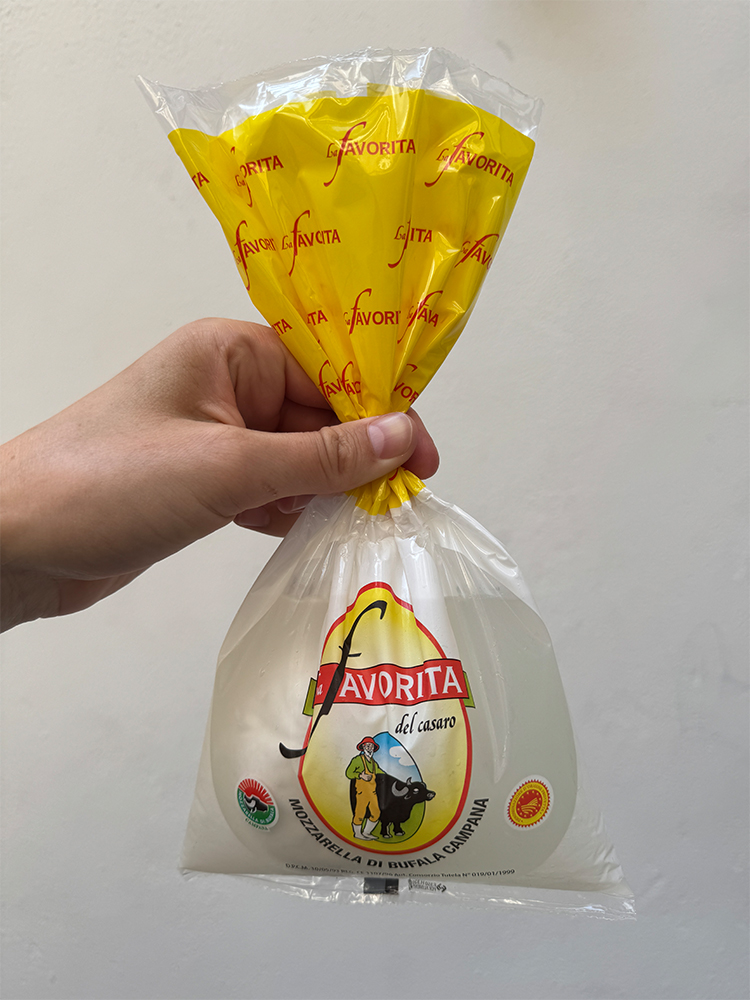
It’s a tough job, the workers dipping their fingers in cold water in between manipulating the curd so as to reduce the pain of handling the nascent cheese at close to 90°C. The cheese can then be formed into balls by hand or put into a machine that takes the pliable curd and plops out consistent forms into cold water to cool down. The final step is to move these to a lightly salted water bath for seasoning before being bagged up with some of this liquid for sale.
Time to taste
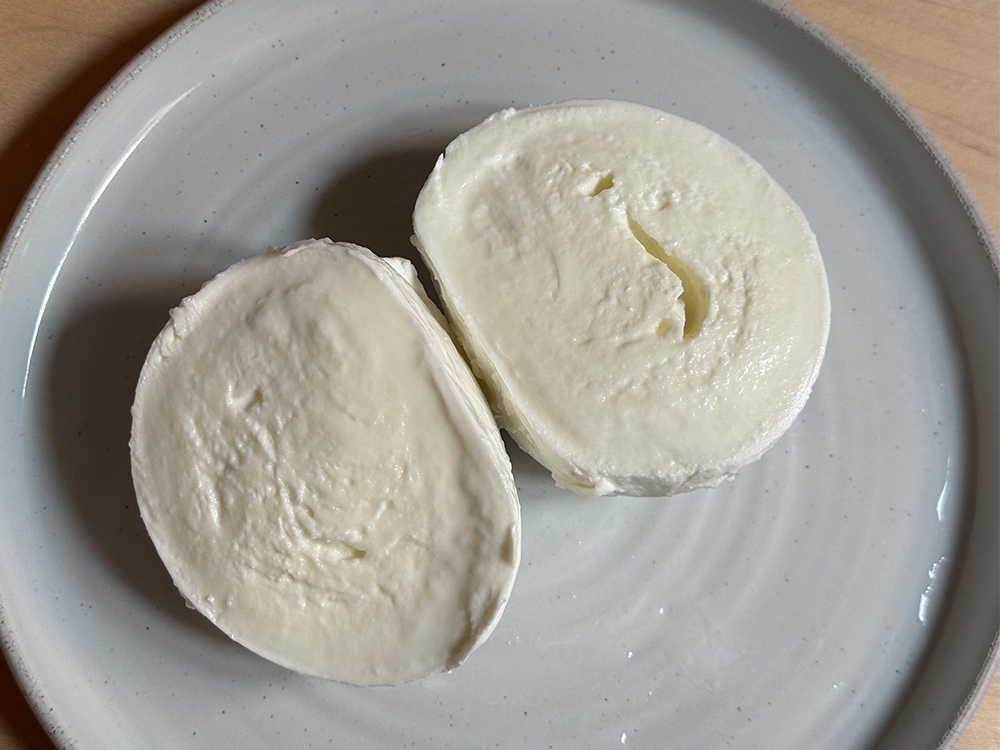
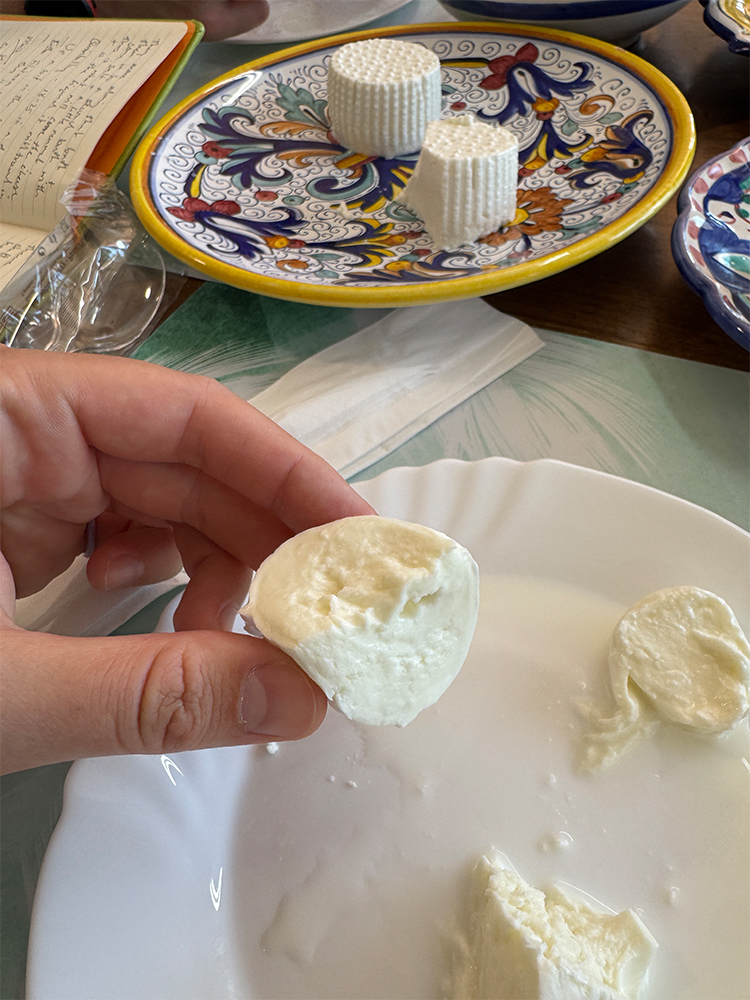
We try some of the family’s other cheeses: a buffalo burrata filled with smooth cow’s cream; a fresh ricotta still warm from its make, tasting of fresh peas; and bite-size bocconcini. But the highlight is a fascinating test between a mozzarella made a few hours ago, and one made two days previously. The freshest one tastes of milk, with an acidic twang. The salt hasn’t made its way to the interior and sits on the outer edge, and its texture is firm and squeaky. Contrary to what we imagined, this is an interesting but not altogether delicious experience – the cheese is not really ready. After a day or two, it has relaxed and taken on more salt, and delivers a beautifully balanced flavour: sweet rich milk and a pleasing sourness. Texturally it is soft and yielding, juicy even. We go back for more.
We are given strict instructions for eating mozzarella at home – fridge-cold means the flavour is muted and the texture lacking; it should be brought up to close to room temperature by placing the bag in a bowl of warm water before serving. Those lucky enough to live close to the dairy pick it up fresh and it never even goes in the fridge.
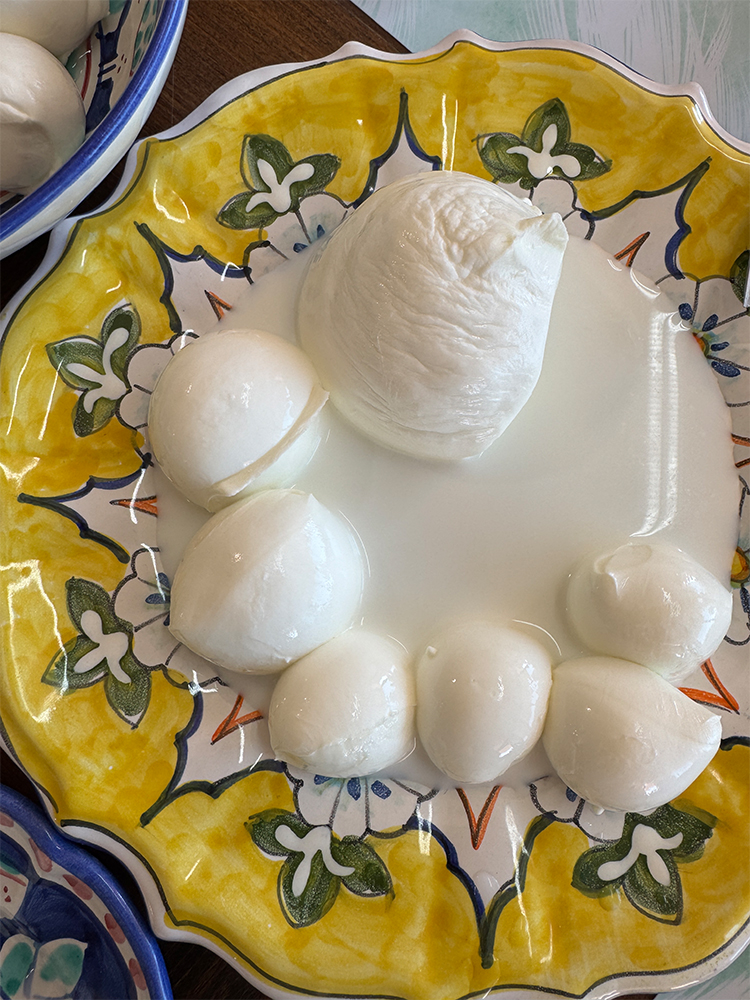
Are you team burrata or mozzarella? No need to choose. But we reckon you’ll be seeing a lot more of the latter on menus this summer. It’s Mozzarella di Bufala’s time to shine.