Rhuaridh and I are embarking on a road trip around Piedmont on a mission to visit cheesemakers and wineries, but in this delicious region it’s impossible to avoid the distraction of its other culinary delights.
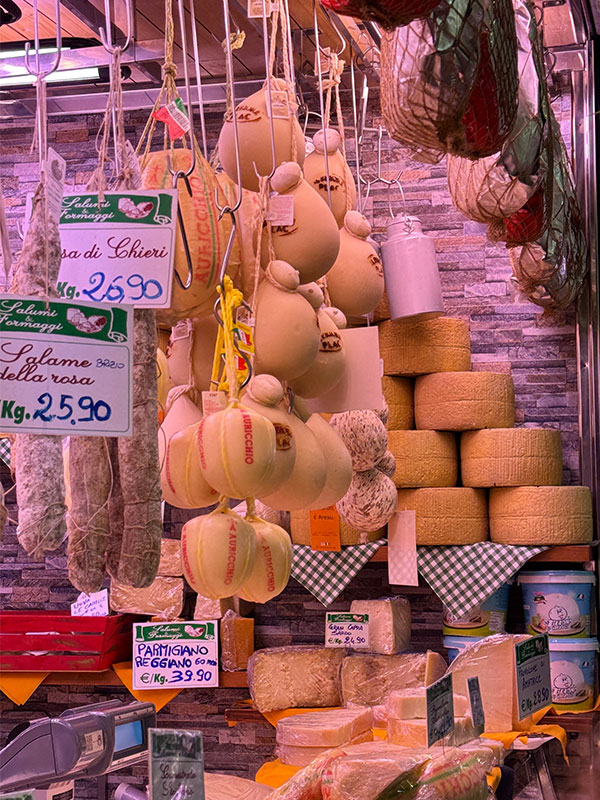
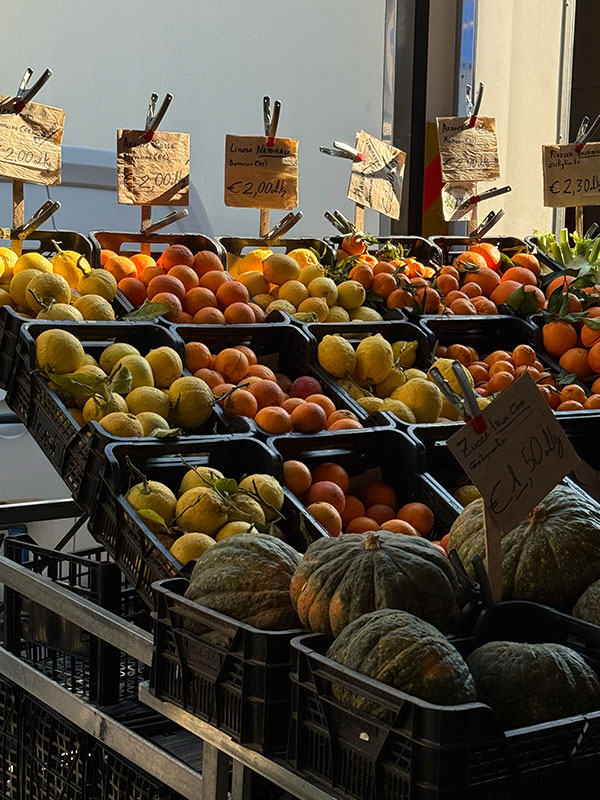
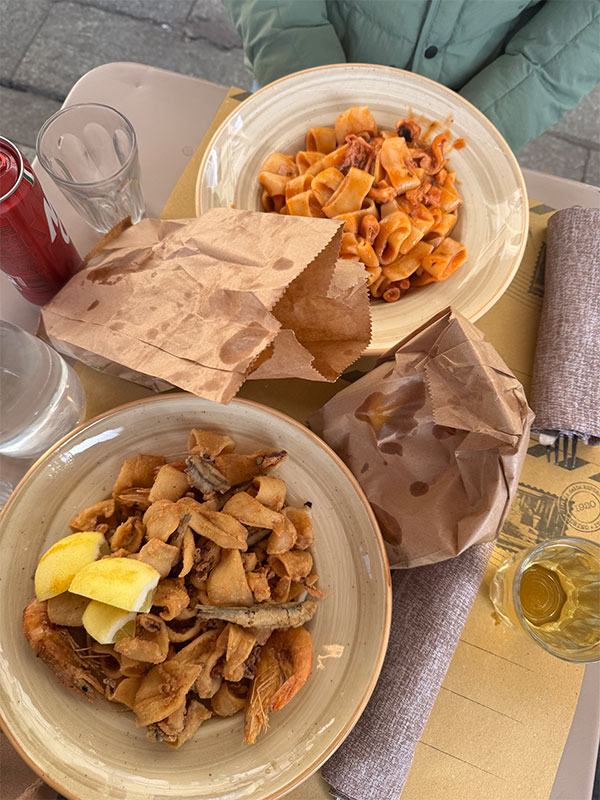
With it being a fairly fleeting visit, our first port of call on landing in Turin is not the world-famous Egyptian museum or the opulent Royal Palace, but Porta Palazzo food market on the edge of the historic centre. Stalls heave with seasonal vegetables and gleaming citrus fruit. A half-wheel of Gorgonzola Dolce sits oozing on top of a counter. An improbably long queue winds through one part of the market – we peer to the front to see that it’s for eggs. We taste some milky sweet, squidgy textured toma piemontese cheese and a savoury hard cows’ milk cheese that looks nothing like Parmesan but when we ask its name we are told ‘well, Parmigiano’ with an accompanying ‘more or less’ hand gesture. Don’t tell the Consorzio. Lunch is at Pescheria Gallina, a fish shop by the market: a bowl of fried squid and assorted fish piled on top of vinegary wilted Savoy cabbage, with a wedge of lemon, a tumbler of wine and a paper bag of salty focaccia.
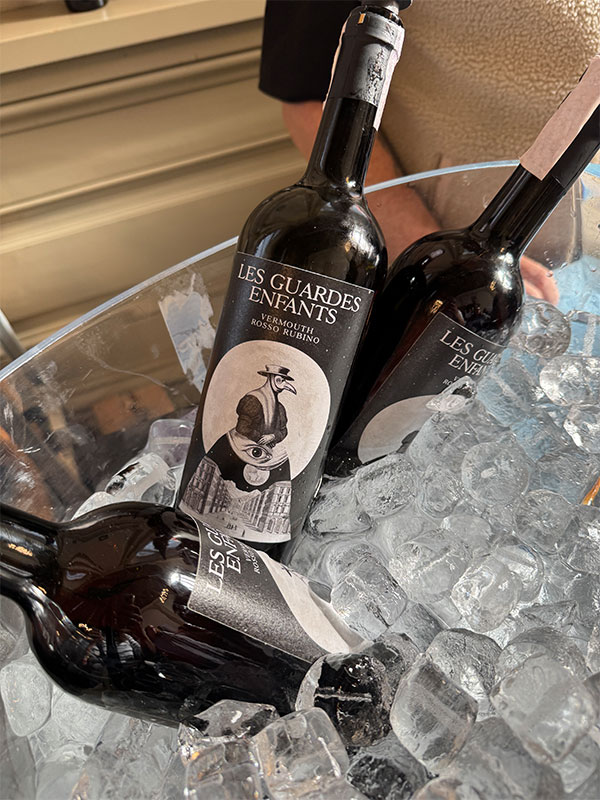
At sundown the only reasonable option is a vermouth at Vermuttino, a tiny shrine to the bittersweet aperitivo. Over ice with a slice of orange, it’s an appetite-opener for the next day’s visit to Salone del Vermouth, an annual tasting event showcasing producers from all over Italy.
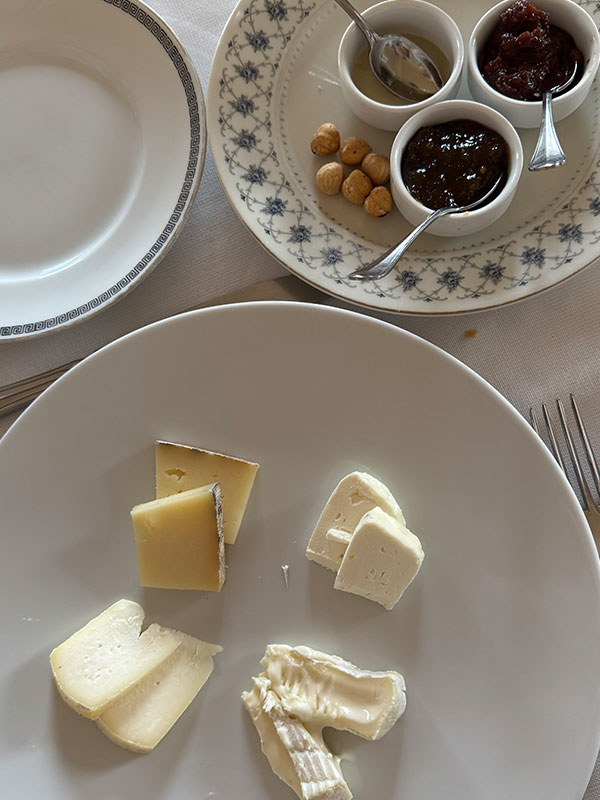
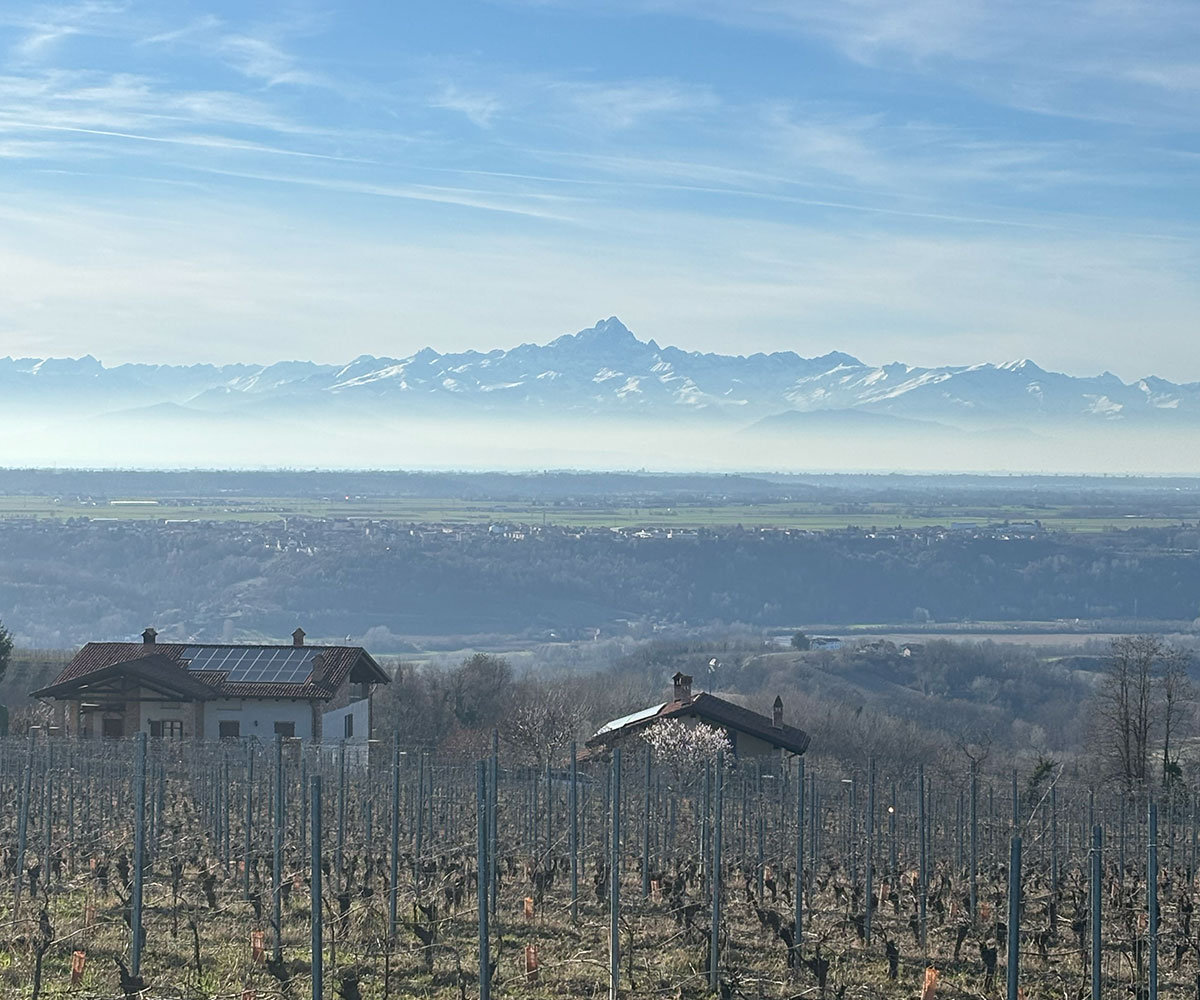
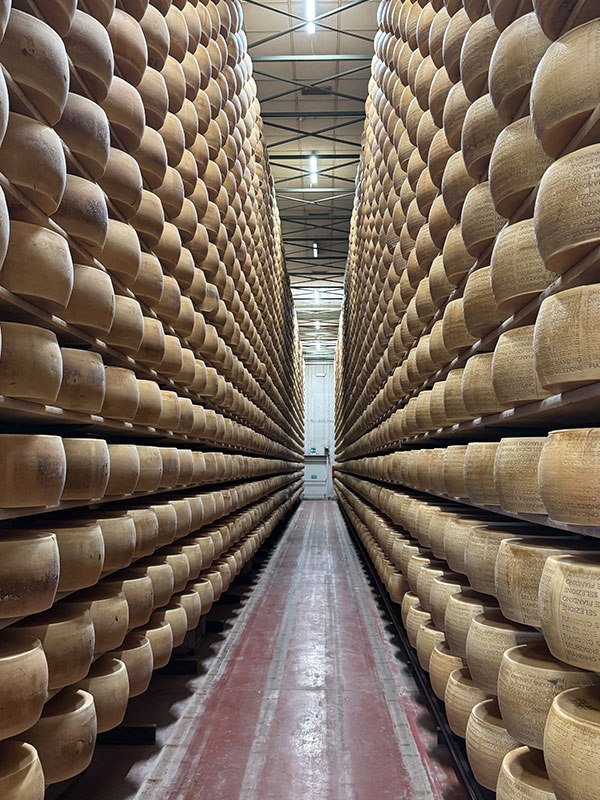
We sample the traditional Piedmontese delights: vitello tonnato, tajarin with ragù and agnolotti filled with rabbit. Hazelnuts with everything. Despite these strays from the professional brief, it is primarily a cheese-filled few days. Highlights include a fresh cow’s curd made that morning, full of lemony acidity; countless different ageings of Robiola goats’ cheese, from minutes old, tart and lactic, to fluffy, creamy and full-flavoured as we know it, to looking somewhat forgotten with a coat of grey moulds from months in maturation, but tasting great, concentrated and intense; a sunflower-yellow cheese infused with turmeric that shouldn’t work but really does, the spice not overshadowing the flavour of the cheese and the milk. We also visit Borgo Affinatori, a cheese-maturing business with many similarities to Buchanans Cheesemonger (the main difference being our view out the window is of the rooftops of W2 and theirs is of Monviso), where Lorenzo generously shows us round his maturing rooms and delights us with a tasting of revelatory mountain cheeses of the sort we don’t get to see very much in the UK.
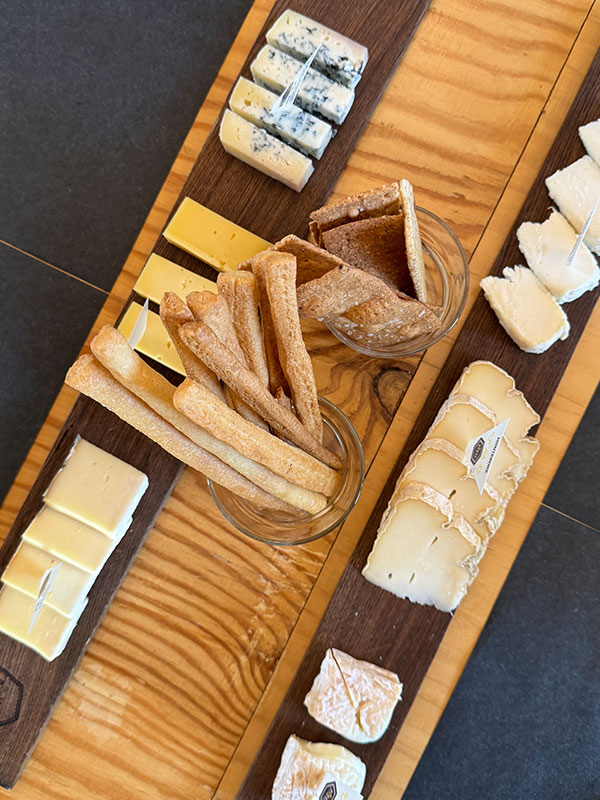
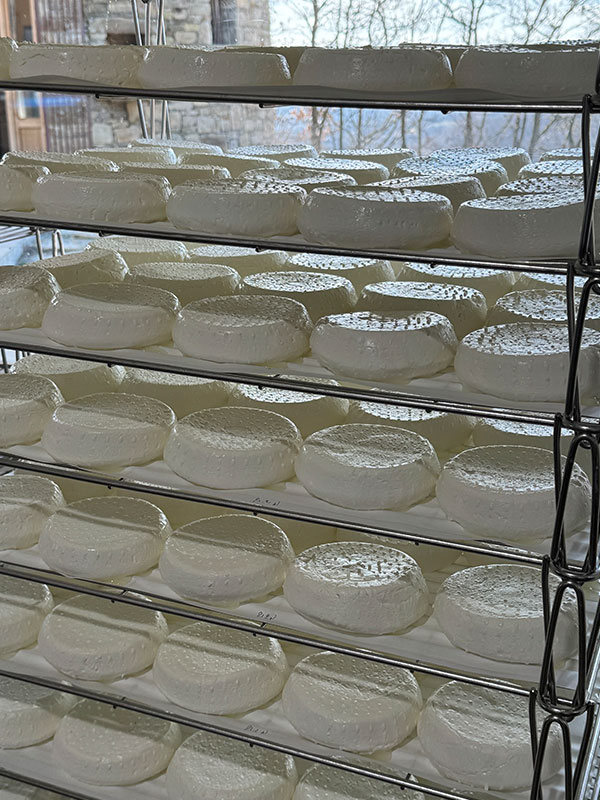
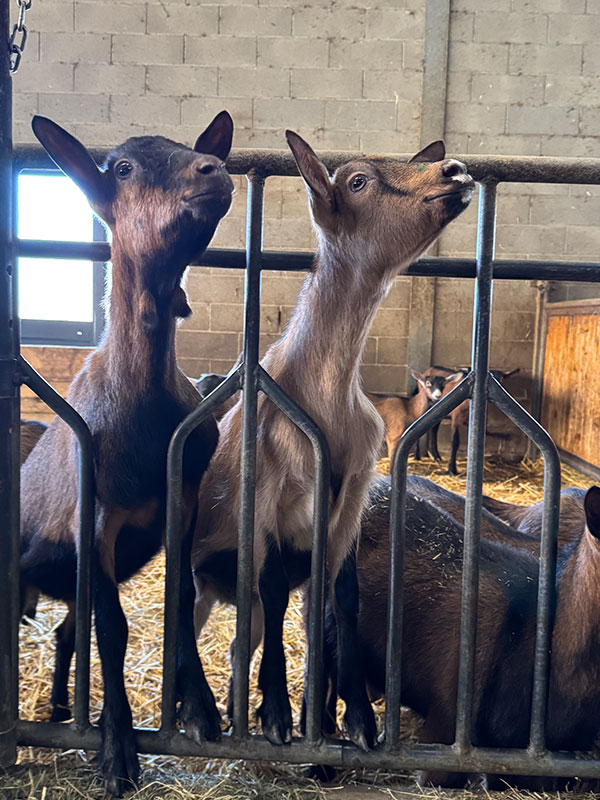
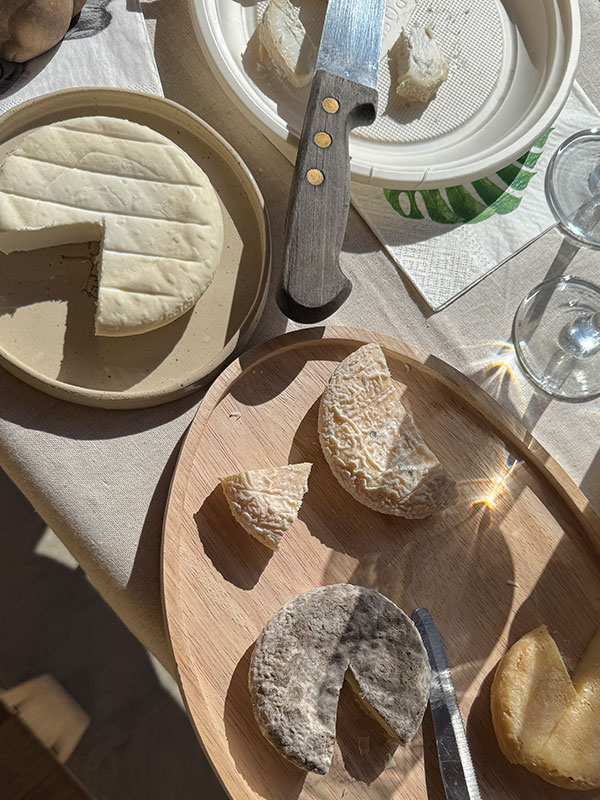
Lowlights? Only one, which was educational nonetheless. We are introduced to Brus, a soft paste made by putting leftover bits of cheese and rind into a pot with fresh milk and leaving it all to ferment for a second time. A traditional hangover of waste not, want not – even its maker is not keen on the result, but he continues to make it for its few fans. A version he happens to have (but does not sell) is from 2018: a teeth-coating paste that is so powerful it literally numbs my tongue and lips temporarily despite taking the tiniest nervous taster on the tip of a teaspoon.
A cool tartare of the local Fassona beef and a delicious salad of puntarelle, radicchio, orange and anchovy at Vineria Sociale wine bar in La Morra brings welcome crunchy freshness after an afternoon of non-stop cheese.
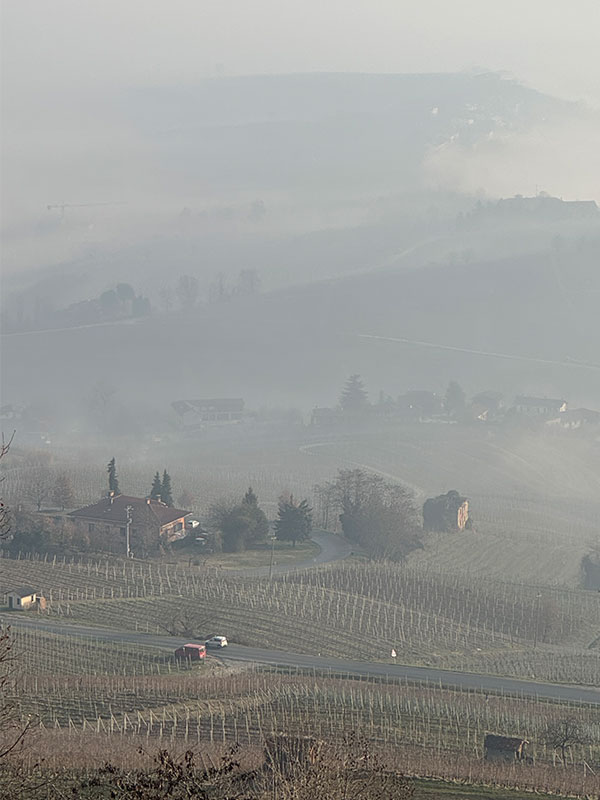
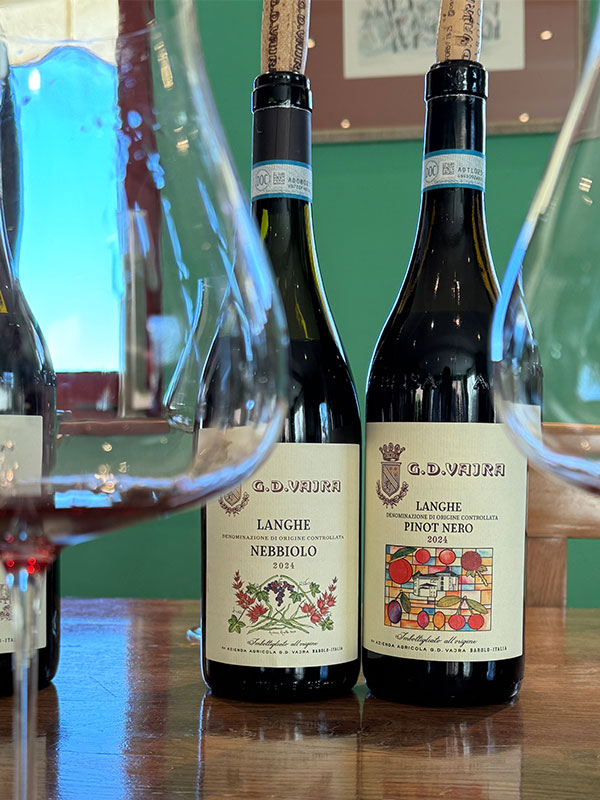
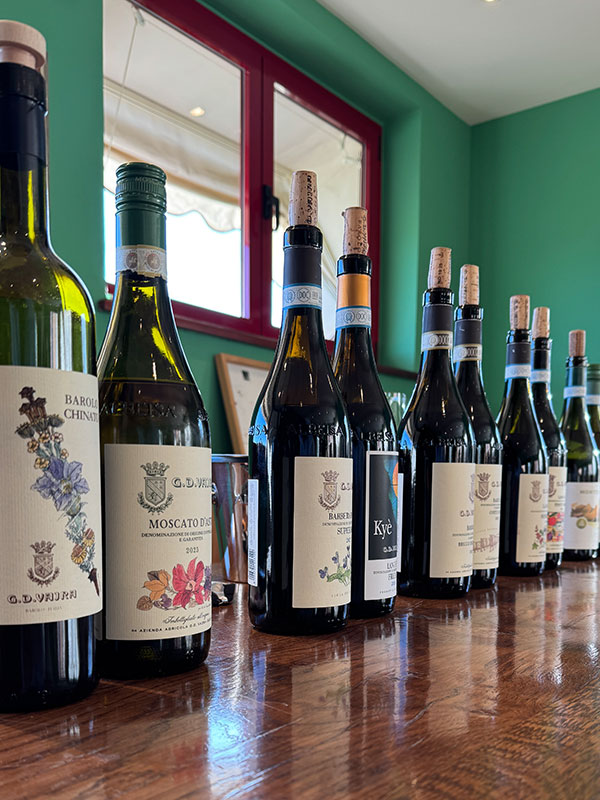
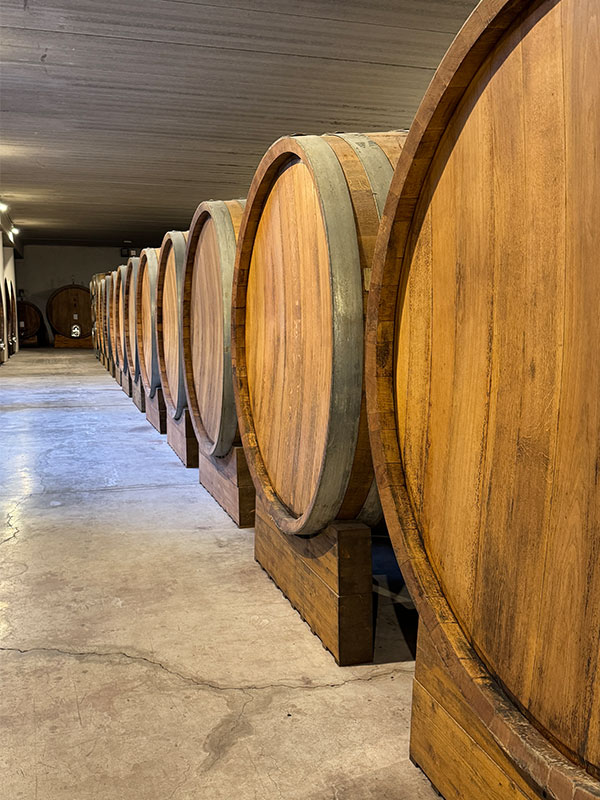
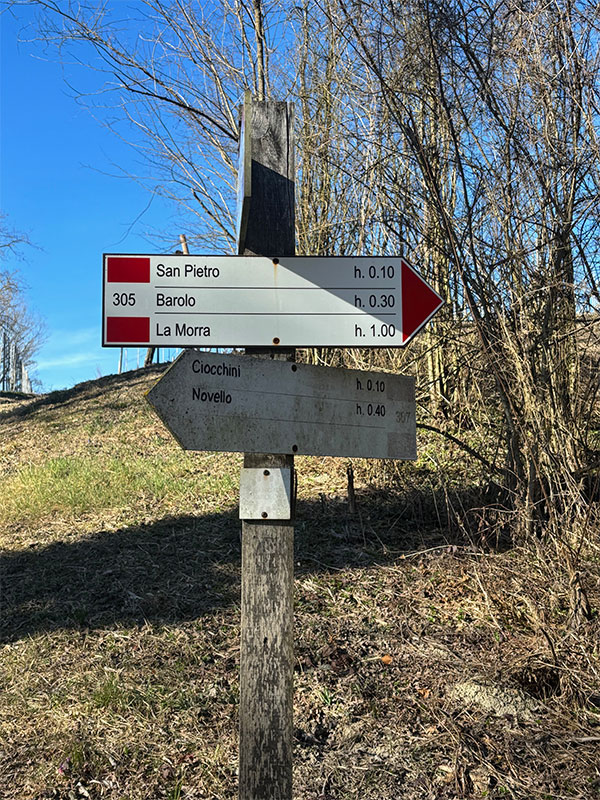
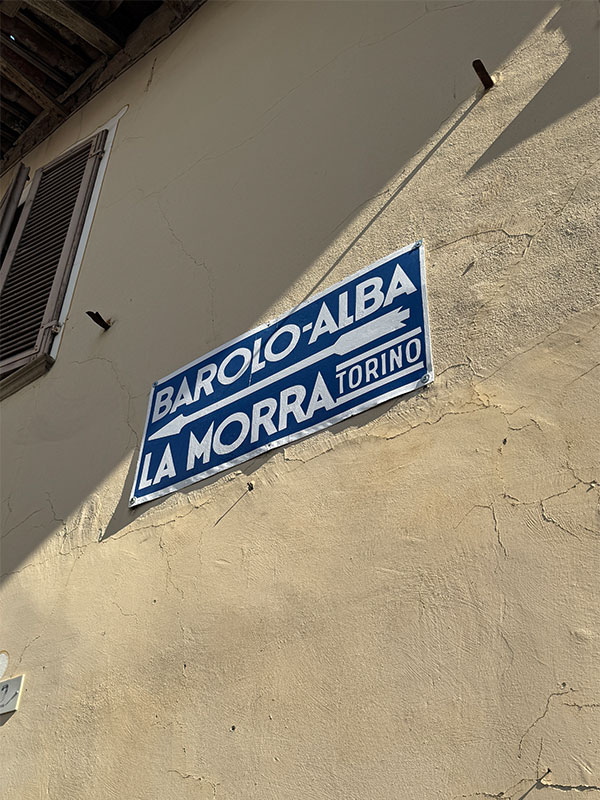
Being in the Langhe hills, home to some of Italy’s most famous wines, I can’t leave without a visit to a GD Vajra, just outside the town of Barolo, a winery that is well represented in our Piedmontese selection in the Wine Room. An appreciation of wine is almost always enhanced by seeing the actual landscapes, experiencing the heavy morning fog (nebbia) that may or may not have given its name to the Nebbiolo grape, and understanding the millions of years of shifting tectonic plates that now define the terroir and therefore the liquid in your glass. My tasting includes their bright and juicy Pinot Nero from vines planted high up on the nearby ridge where Nebbiolo would not have coped (I add this to a mental shopping list). A couple of tasty whites, blends of native grapes like Nascetta, Arneis, Favorita, Rossese Bianco, and Sauvignon Blanc and Riesling too. These would be great with cheese. Barolos of course – two single vineyard examples that show that geological soil difference and are extremely drinkable despite their young age. I also try a floral sparkling Moscato d’Asti and a Christmassy Barolo Chinato, a Barolo wine sweetened and infused with aromatic and bitter botanicals just like a vermouth. Giuseppe Vajra tells me that they dream of someone choosing one of their wines and it making life just a little bit better. I leave GD Vajra decked out with a branded t-shirt, tote bag and baseball cap and clutching a generously gifted bottle of Barolo, to spread the good word and encourage these life-enhancing wines into the hands of others.